

Nonprofit Leadership

The prospect of running for public office is both exciting and daunting. It offers an opportunity to make impactful changes, but it also exposes you to scrutiny and requires tremendous commitment. If you're contemplating throwing your hat into the political ring, it's essential to think through multiple factors before making your decision. Here are eight critical considerations to mull over: 1. Personal Readiness Entering politics is a life-altering choice, not just for you but also for your family and close ones. The demands on your time, privacy, and emotional well-being can be overwhelming. Questions to Ask : Are you emotionally, mentally, and physically prepared for the challenges? Have you discussed this with your family, and are they supportive? 2. Core Beliefs and Values Politics is an arena of competing interests and ideologies. Having a clear understanding of your core beliefs and values will guide your political journey. Questions to Ask : What causes or issues are most important to you? Are your views aligned with the electorate you wish to serve? 3. Skill Set and Qualifications Being in public office requires a diverse skill set, including but not limited to leadership, public speaking, and policy analysis. Questions to Ask : Do you possess the skills needed to succeed in office? If not, are you willing to learn or surround yourself with experts who do? 4. Financial Considerations Campaigning can be expensive, and public office may not offer the financial rewards that other careers do. Questions to Ask : Do you have the financial resources to run a campaign and sustain yourself in office? Are you ready to disclose your financial status, as is often required? 5. Electability and Public Perception Popularity and public perception play a crucial role in politics. Your history, conduct, and even appearance are often subject to public scrutiny. Questions to Ask : How are you perceived by the community? Do you have any skeletons in the closet that could become public and harm your candidacy? 6. Team and Support System A successful campaign requires a dedicated team for various functions: strategizing, fundraising, public relations, and more. Questions to Ask : Do you have a trustworthy team or know how to assemble one? Do you have mentors or advisors in the political arena? 7. Regulatory and Legal Requirements Different positions have different eligibility criteria, filing requirements, and regulations. Questions to Ask : Are you familiar with the legal requirements for the position you are considering? Do you meet the eligibility criteria? 8. Long-Term Goals and Exit Strategy Public office is often not a lifetime appointment. Whether you serve one term or multiple, you will eventually move on. Questions to Ask : What are your long-term goals? Do you see politics as a career or a stepping stone to other endeavors? What's your exit strategy? The Starting Point, Not the Destination Contemplating these eight points is just the starting point; running for public office is a long, complicated journey that will demand constant adjustment and reevaluation. However, these considerations can give you a solid foundation for making an informed decision. Running for public office is a significant decision that should not be taken lightly. If you are considering this path, taking the time to reflect on these eight considerations will provide valuable insights and prepare you for the challenges and rewards that lie ahead.
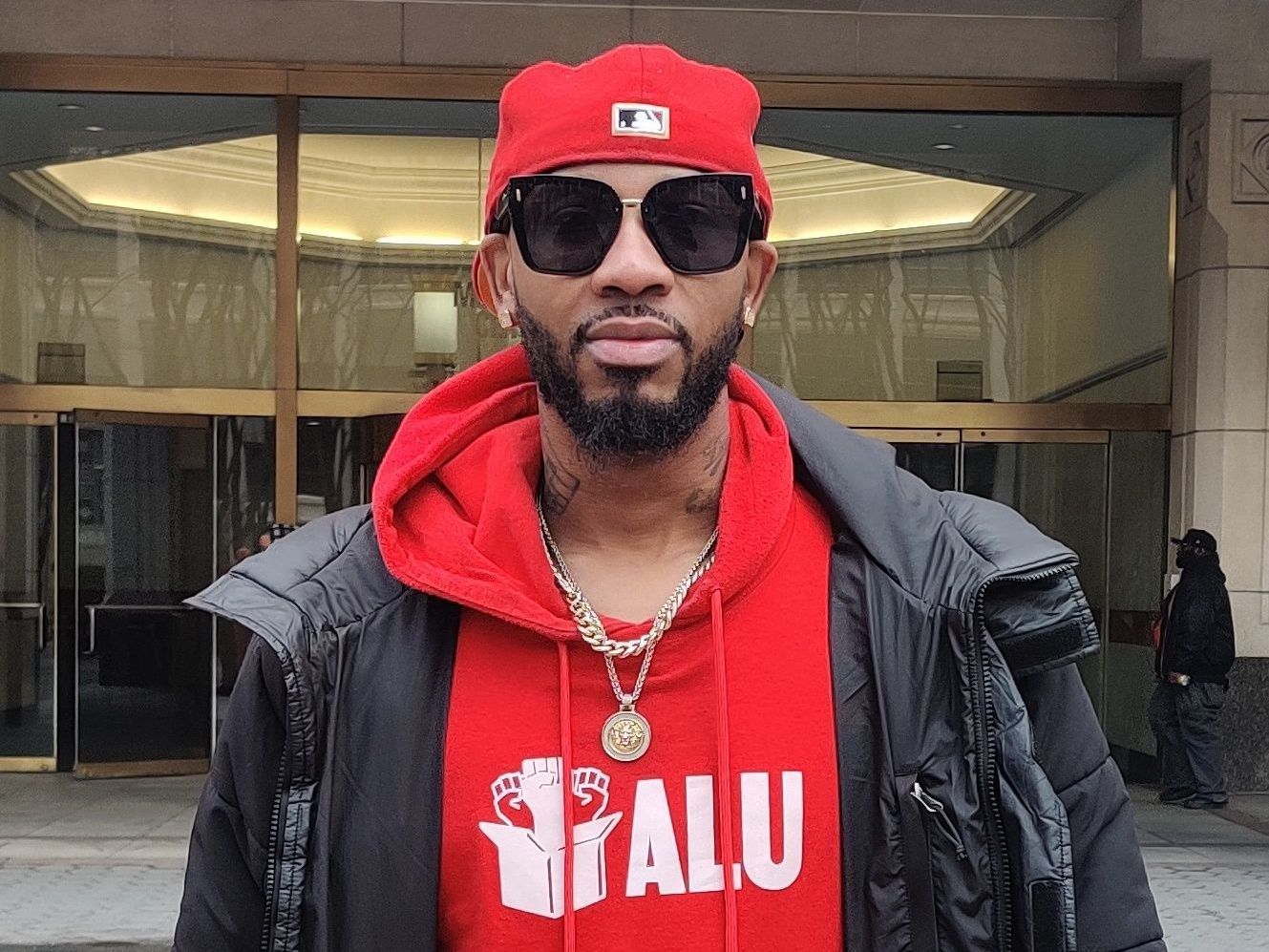
Chris Smalls has emerged as an unlikely hero, not just for the workers of Amazon but for the labor movement across America and beyond. He has become the President of the Amazon Labor Union, catalyzing significant shifts in a company known for its tough anti-union stance. His rise from a rank-and-file worker to a labor organizer has lessons in leadership that transcend industrial contexts and have universal applicability. 1. Embrace the Unexpected Chris’s journey began when he unexpectedly walked out of Amazon three years ago. His decision, driven by a deep-rooted sense of justice, has today turned him into a symbol of hope for many. Leaders often need to embrace the unexpected and leverage it for positive change. 2. Prioritize the Immediate Task Despite the allure of media attention and numerous emails, Chris has remained focused on getting a contract for JFK workers. Leaders should always keep their eyes on the immediate goal, ensuring it aligns with the broader mission. 3. Share the Reality Chris paints a vivid picture of the demanding work environment at Amazon. By sharing his personal experience, he humanizes the struggle and educates the masses on the realities many face. Great leaders tell stories that connect and mobilize. 4. Find Inspiration from Setbacks The failed unionization attempt in Bessemer, Alabama, became a source of inspiration for Chris. Leaders often encounter setbacks; the key is to learn from them and use them as fuel to keep going. 5. Build Solidarity Beyond Borders Chris's commitment isn't limited to America. He has connected with workers from London to Cuba, demonstrating the universality of the labor struggle. Leaders must think globally, fostering international collaborations and solidarity. 6. Stay Motivated While challenges abound, Chris is driven by the possibility of causing billionaires to rethink their decisions. He's inspired by stories of grassroots movements and international solidarity. Leaders must find their unique source of motivation to persist. 7. Learn Continuously From understanding the deep divides in organizational alignments to the intricacies of American labor politics, Chris's journey is one of continuous learning. Effective leaders are always students, open to gaining new insights and understanding. 8. Foster International Solidarity Chris's efforts have sparked interest from other organizations and countries. By fostering international collaboration, leaders can amplify their cause and create a more substantial impact. 9. Celebrate Victories but Look Ahead The Amazon Labor Union's election win was monumental, but Chris understands that it's the beginning. Leaders should celebrate victories but must always focus on the next milestone. 10. Hold Entities Accountable Whether it's Amazon or established unions, Chris stresses the importance of accountability. Leaders must consistently challenge existing systems, pushing them towards greater fairness and justice. In conclusion, Chris Smalls's leadership journey is an inspiration to many. His commitment, resilience, and vision offer lessons not just for labor organizers but for leaders across sectors. As the labor landscape continues to evolve, it's voices like Chris's that will guide the way, urging us all to build a more equitable and just world.

With her tenacious spirit and unwavering commitment to community betterment, Mayor Karen Bass has emerged as one of the foremost figures in modern leadership. Her political career, marked by transformative policies serves as an illuminating case study for leaders everywhere. In this article, we delve into seven pivotal lesson on leadership we're learning from Los Angeles City Mayor Karen Bass: 1. Winning is a Collective Effort Lesson: The celebration of Mayor Bass's election victory was a testament to the collective effort of her team and the unwavering support of her community. Leadership isn't about a solitary figure but about the collective strength and unity of a group. Application: Recognize and value the contributions of everyone involved. A leader is only as good as the team behind them, and every achievement is a team win. 2. The Power of Effective Communication Lesson: Mayor Bass's gift of eloquence, combined with her ability to simplify complex issues for her community, has been a defining trait of her leadership. Application: Prioritize open and transparent communication. Ensure that your ideas and policies resonate and are easily understood by your intended audience. 3. Prioritizing Long-Term Solutions: The Fight Against Homelessness Lesson: Rather than seeking quick fixes, Mayor Bass's commitment to reducing homelessness has centered on finding comprehensive, lasting solutions, from creating affordable housing projects to offering extensive mental health services. Application: Address challenges at their root. Look beyond the immediate problem and strive for solutions that provide long-term benefits. 4. Embracing Adaptability Lesson: In the face of challenges, Mayor Bass consistently demonstrated an ability to pivot and adapt, essential traits for governing a city as vibrant and ever-changing as Los Angeles. Application: In an unpredictable world, the capacity to adjust and reformulate strategies is a leader's asset. Stay flexible and open to change. 5. Keeping the Community at the Forefront Lesson: At the heart of Bass's policies lies a genuine concern for her community. Her active engagements with various community organizations demonstrate a hands-on approach. Application: Foster a deep connection with the community you serve. Their feedback, support, and concerns should shape your leadership strategies. 6. Upholding Integrity and Fostering Transparency Lesson: One standout trait of Bass's administration is transparency. She has been candid about her initiatives' successes and challenges, earning her community's trust. Application: Integrity builds loyalty. Being honest about both achievements and setbacks fosters trust and reinforces your credibility. 7. The Art of Persistence Lesson: Leadership is not without its hurdles. Through every challenge, Mayor Bass has displayed an unwavering determination, especially in her mission to combat homelessness. Application: Stay committed to your cause. While the path may be laden with obstacles, consistent effort and focus will eventually bear fruit. Karen Bass's leadership in Los Angeles serves as a powerful model for leadship, dedication, and a genuine desire to effect change. Her approach, combining compassionate community engagement with strategic planning and perseverance, offers an inspiring blueprint for effective and impactful leadership in the modern world.

Afrocentric leadership intertwines age-old African philosophies, traditions, and values into contemporary leadership paradigms. It offers a refreshing perspective that places community, heritage, and mutual respect at the core. In our dynamic global landscape, such an approach not only celebrates African wisdom but also provides inclusive strategies beneficial for diverse settings. Here are seven pivotal practices that underscore Afrocentric leadership skills: 1. Ubuntu: A Collective Ethos Originating from the Nguni Bantu term, Ubuntu translates to "I am because we are." This philosophy is foundational to Afrocentric leadership, emphasizing communal achievement over individual success. Application : Cultivate a team ethos where successes are collective and challenges are addressed collaboratively. This fosters trust, mutual respect, and a harmonious working environment. 2. Power of Oral Narratives Storytelling is a cherished tradition in African cultures, used to convey wisdom, heritage, and moral lessons. Application : Harness stories to communicate values, vision, or changes within the organization. Narratives can bridge understanding, foster a shared identity, and inspire action. 3. Valuing Elders and Ancestral Wisdom Elders in African societies are reservoirs of knowledge and experience. They guide and mentor the next generation, ensuring continuity and preservation of wisdom. Application : Encourage mentorship programs and intergenerational dialogues within the organization. Such exchanges enhance decision-making, foster respect, and bridge generational gaps. 4. Holistic and Inclusive Decision-Making Afrocentric leadership stresses the importance of making decisions that cater to the larger community and ecosystem. Application: Decisions should take into account their broader impact, encompassing community welfare, environmental sustainability, and long-term repercussions. 5. Cultural Affirmation and Authentic Self-Expression Afrocentric leadership champions the pride of African heritage, traditions, and values. Application: Create an organizational culture that values diversity and encourages individuals to express their unique cu ltural identities. Celebrate cultural events and encourage inclusive dialogue. 6. Community Building through Mentorship The adage, "It takes a village to raise a child," epitomizes the importance of collective effort in African societies. Application: Prioritize mentorship and knowledge-sharing initiatives. Establishing a sense of community ensures every member feels em powered, supported, and valued. 7. Reciprocity and Mutual Respect I n many African communities, interactions are built on a foundation of give-and-take, ensuring harmonious coexistence. Application: Foster an organizational climate where mutual respect is paramount. Encourage open dialogue, active listening, and ensure ever y voice, regardless of rank or tenure, is valued. Afrocentric leadership skills are a testament to the depth and richness of African wisdom. By integrating these practices, leaders can carve pathways that honor heritage while building inclusive, sustainable, and vibrant organizations. Leadership, after all, is not just about guiding but about connecting, understanding, and enriching communities.

Jones is jump-starting his mission with the surprise $100 million he received from Amazon founder Jeff Bezos after being named the Courage and Civility Award recipient of 2021. As the Courage and Civility Award recipient in 2021, Jones said receiving the call from the wealthiest man in the world to accept the award was a “transformative moment.” “I never, never thought I’d get a $1 million grant, let alone $100 million,” Jones said, according to US Magazine. “And it gave me the opportunity for the first time to really sit back, think, what could I do that would make a bigger difference?” Chef Jose Andres and music legend Dolly Parton are two other celebrities who have won the award. Bezos has stated it’s intended to recognize individuals who have “demonstrated courage” and attempted to be a unifier in a divided world. “I knew immediately I wanted to disrupt these systems that have been holding underestimated communities back,” Jones said, US Magazine reported. “I knew I wanted to do something to disrupt the for-profit prison system, to disrupt the systems that put a lot of pollution in our communities and lead to poverty.” Jones also invested in the Philadelphia-based nonprofit organization Beat The Block, which provides young men between 18 and 24 who are loitering on street corners and getting into trouble with paid training to help them achieve their personal and professional objectives. Jones said that of the 58 young people participating in Beat The Block, 88% found employment, 57% established businesses, and 100% registered to vote. The investment plan to curb poverty using the funds from Bezos comes after Jones’ alleged ejection from Dream, according to The Daily Beast . Several sources connected to the organization claimed Jones resigned from the nonprofit’s board after arguing with the group’s leadership about its future, but he did not depart voluntarily. Jones’ publicist and a representative for the organization gave ambiguous answers rather than denying his removal from the board. His spokesperson noted that he is working to launch a new, complementary initiative, which will be announced soon. Jones ceased managing day-to-day operations in 2019, according to a Dream spokeswoman, but “has continued to be a valuable resource for us, and we’re excited to support the launch of his forthcoming initiative.” “What if we could create an ecosystem that meant people could make money helping people stay out of prison and helping people get on their feet when they came home?” Jones asked, US Magazine reported. “What if instead of having an incarceration industry, you had a decarceration industry?”

The nonprofit sector, an amalgamation of passion, purpose, and societal contributions, requires leaders who can bridge the gap between vision and actionable results. To not only survive but also flourish in this domain, organizations must incorporate both heart-driven missions and practical strategies. Here's a deeper exploration of nine pivotal considerations that are integral to nonprofit success: 1. Mission Clarity : Importance : Every nonprofit is bound by its mission. This core ethos provides direction, engages stakeholders, and sets the stage for every future endeavor. Action Step : Define a comprehensive mission statement and revisit it periodically to ensure alignment with ongoing initiatives and evolving societal needs. 2. Sustainable Funding: Importance : Financial viability is the lifeblood of any nonprofit, enabling it to carry out its mission consistently. Action Step : Diversify funding streams, explore partnerships, and remain open to innovative fundraising methods to ensure stability amidst economic fluctuations. 3. Engaging Stakeholders: Importance : A nonprofit's strength lies in its community. Engaging with stakeholders fosters trust, invites collaboration, and solidifies the organization's role in the community. Action Step : Implement a dynamic communication plan, employ regular feedback mechanisms, and prioritize relationship-building events. 4. Effective Governance and Leadership: Importance : Strong leadership and governance structure anchor a nonprofit, instilling both direction and ethical accountability. Action Step : Foster a diverse board, emphasize continuous leadership training, and facilitate transparent decision-making processes. 5. Outcome Measurement: Importance : Demonstrating impact and assessing program effectiveness is crucial in the data-centric age. Action Step : Leverage modern tools for data collection, and employ storytelling techniques to present outcomes compellingly. 6. Adaptability: Importance : The dynamic nature of the nonprofit sector necessitates agility and a readiness to evolve. Action Step : Encourage a culture of continuous learning, and stay attuned to emerging trends and technologies. 7. Collaboration: Importance : Collaborative initiatives amplify reach, harness shared resources, and lead to creative problem-solving. Action Step : Network proactively, explore strategic partnerships, and remain open to joint community projects. 8. Volunteer Management: Importance : Volunteers are often the backbone of nonprofit organizations, providing invaluable manpower and community connections. Action Step : Develop a structured volunteer onboarding process, offer training sessions, and create a system for recognition and appreciation to retain and motivate volunteers. 9. Continuous Learning and Development: Importance : To remain effective and relevant, nonprofits must prioritize the growth and development of their staff and members. Action Step : Invest in workshops, training sessions, and courses that empower your team with the latest skills and knowledge in the sector. The nonprofit sector, with its unique challenges and rewards, demands a holistic approach that merges purpose-driven missions with strategic prudence. By assimilating these nine considerations into their operational framework, nonprofits can better position themselves to create lasting, positive ripples in the communities they serve.

By: Alesia Bani Key Insights Sixty-seven percent of charitable giving in 2021 came from individuals rather than corporations and foundations, with millennials at the forefront of small contributions. The startup Philanthropi supports everyday people to become philanthropists by donating to non-profit organizations through its platform. Philanthropi launched a pilot program with American Express to allow members to round up their transactions and donate to a charity of their choice. Although philanthropists are often positioned as wealthy and high-status entities, it turns out that small individual donations make up the majority of philanthropic giving. A new report by Giving USA found that total U.S. charitable giving reached $484.9 billion in 2021, with about 67 percent of it coming from individual donors. Despite being America’s most impoverished generation, nearly three-quarters of millennials consider themselves philanthropists, compared to only 35 percent of baby boomers. “The biggest shift that I’ve seen over the last 20 years or so is this concept that philanthropy used to be a destination,” Dr. Keith Leaphart, the founder of Philanthropi , a platform that partners with financial institutions, employers, universities and non-profit organizations for everyday donors to support non-profit organizations with the click of a button, told The Plug. “Millennials and Gen Z are like ‘no, this is a journey and we’re starting today,’” he said. This article originally appeared in The Plug .

Companies gave nearly $17 billion to charities during 2020 (Giving USA 2020), representing a critical revenue source and strategic partner for nonprofits. With 8 in 10 Americans expecting businesses to positively impact society (Cone/Porter Novelli, 2018), gone are the days of companies merely being satisfied with visibility and their name on an event T-shirt. Today, engaging corporate partners requires nonprofits to think differently about how they approach companies, identify opportunities, develop a corporate partnership strategy and measure impact. To help nonprofits forge successful relationships with more companies, we asked two corporate social responsibility experts and funders for their advice. Here’s the guidance Michelle Hamilton, senior community investment manager at the Florida Blue Foundation, and Chris Johnson, senior social responsibility specialist at The Mosaic Company, shared to help you and your nonprofit successfully engage corporate partners. What are the most common mistakes you see nonprofits make when it comes to corporate partnerships? Michelle: Many organizations apply for funding without understanding our company’s mission or areas of focus. Or, they submit large funding requests before a funder has learned about their work or established a relationship. Don’t be afraid to ask a potential partner for an initial meeting. That preliminary outreach can help your nonprofit understand what opportunities to pursue, provide time-saving information and begin building a longer-term relationship. Chris: We also get many funding requests from individuals and organizations we don’t know. Commit to cultivating relationships and communicating with company contacts — not just when you’re asking for money. Don’t forget that companies consist of your neighbors who care about the issues impacting your community. Find that common ground and establish a relationship before making significant fundraising asks. What are you looking for in a nonprofit partner? Chris and Michelle: There are five things we consistently look for in our nonprofit partners: Alignment with our company’s purpose and priorities — We seek partners who strategically connect the dots between our shared work and objectives. Take the time to be intentional in identifying where both the company and your nonprofit align. Collaboration — We prioritize nonprofits that work across the community with others and avoid duplicating efforts to ensure dollars stretch as far as possible. Regular communication — We love when nonprofits keep us informed about what’s happening within their organizations. The best relationships are with those who check in, not just when they need something, but who treat us as a strategic partner invested in their work. Proximity to where our employees live and work and the societal issues in those communities Being data-driven — We expect nonprofits to use data and insights when presenting funding needs and proposing solutions to address them through a partnership. What do you expect from nonprofits when it comes to impact and your return on investment? Michelle: When it comes to measurement, we look at two sides of the coin. Event activation is beneficial for educational opportunities, lead generation and brand visibility, while programmatic funding allows us to improve lives through issues like food security, mental well-being and health equity. Impact goals and reporting vary from partner to partner because every objective and program is different. There must be a dedicated collaboration between the nonprofit and corporate partner to determine how to measure success and define what is realistic for the nonprofit to capture. Chris: We seek both internal and external impact with our partners. Internally, we care about building the capacity of our nonprofit partners, enhancing their sustainability and improving their ability to achieve their stated objectives. We don’t want our partners to create something to receive funding; we want to enhance what nonprofits are already doing well while identifying ways to improve or innovate it. Externally, we want to solve community problems and address systemic and institutional issues that are impacting communities. This requires a robust approach. It’s much simpler for corporations and foundations to put their name on something or give money through an event sponsorship. On the flip side, it’s easier for nonprofits to host an event and raise money. It’s more challenging to address systemic and institutional issues because they entail data evaluation, cross-sector collaboration and a deeper investment of time and resources. We want to take a multi-faceted approach so we can fund emerging needs while also addressing the systemic issues that affect our communities. Finally, the United Nation’s Sustainable Development Goals (SDGs) are important at our company. There are five we focus on, and most of the nonprofit work we fund fits into or advances one of those areas. Understanding potential partners’ priorities is critical to achieving the greatest impact. What practical advice would you give to nonprofit leaders who want to engage corporate partners more effectively? Chris and Michelle: Ensure you’ve done your homework on the company and understand what they do and if a partnership is a good fit. Invest in yourself and your ability to cultivate and steward relationships. Professional development can help you build necessary or new skills to garner a meeting, create a winning proposal and deepen relationships. Commit to building relationships outside of the fundraising process. Participate in your local chamber or other business groups. Genuinely get to know community leaders without an agenda. Be transparent. As a funder, it’s essential to understand what’s working well along with the challenges. We have access to resources and expertise that can help you mitigate challenges when they arise. Don’t be afraid to share the bad with the good. Engage your board of directors to assist you in opening doors, making introductions and asking for funding. It can take some of the pressure off your staff and create a shared leadership responsibility. Follow current and potential funders or corporate partners on social media and engage in a dialogue with them. This allows you to stay apprised of both the big and small things happening within the company and open opportunities for your nonprofit to celebrate them. Ask your corporate partners what you can do for them. Instead of only asking them for support, find out if there are ways you can support them in your daily activities such as sharing their good news or helping them connect to the community. This article originally appeared in Nonprofit Leadership Center

What does it mean to be an emotionally intelligent leader? Emotionally intelligent leaders possess seven important qualities that spell out the word LEADERS. L is for listening. Emotionally intelligent leaders place a higher value on listening than they do talking. E is for equipping. Emotionally intelligent leaders equip their employees with the tools and resources necessary to fulfill their positions’ requirements effectively. A is for appreciation. Emotionally intelligent leaders appreciate the people they work with and invest time, effort and money to show their gratitude. D is for developing. Emotionally intelligent leaders know their employees are their most important asset. They consistently create development opportunities to help their people grow and advance. E is for enlisting. Emotionally intelligent leaders enlist support from others because they know that their employees and team members are critical to implementing change effectively and efficiently. R is for relationships. Emotionally intelligent leaders understand that their success or failure rests on the quality of their relationships with others. They invest heavily in building and deepening those professional relationships. S is for service. Emotionally intelligent leaders realize that they must first give the most to their employees to get the most from employees. They constantly seek ways to serve their employees instead of waiting on employees to serve them. Now that you know some of the qualities of emotionally intelligent LEADERS, are you in this category? What steps might you take to increase your emotional intelligence?

Today, Black Innovation Alliance (BIA) is a national coalition with 50 member organizations supporting nearly 300K Black entrepreneurs and innovators. A year and a half ago, they weren’t even an idea. But through the commitment and dedication of a mighty few, they’ve been able to build an undeniable force in the advancement of economic justice and the remediation of the racial wealth gap.