

Money & Finance

Under-earning, often a result of undervaluing one’s worth, skills, or time, can be a debilitating habit that stands in the way of achieving one's financial and personal potential. Breaking free from this cycle can lead to increased self-esteem, financial freedom, and a more fulfilling professional journey. Here are 11 strategies to address and conquer the habit of habitual under-earning: 1. Self-Awareness is the First Step Before addressing under-earning, one must recognize it. Monitor your income, track your working hours, and compare your earnings with industry standards. Acknowledging the disparity is essential. 2. Set Clear Financial Goals Establish clear, measurable financial goals. Whether it’s a desired annual income, a target hourly rate, or a specific project fee, having a number in mind provides a tangible target. 3. Know Your Worth Research market rates for your profession, skills, and experience. Use platforms like Glassdoor, Payscale, or industry-specific databases to get a clear picture of what you should be earning. 4. Invest in Continuous Learning Boost your earning potential by staying updated in your field. Attend workshops, get certifications, and consistently upgrade your skills. The more valuable your skillset, the higher your earning potential. 5. Practice Negotiation Many under-earners shy away from negotiating salaries or fees. Start practicing negotiation skills in low-stakes situations and gradually apply them in professional scenarios. 6. Avoid Overcommitting Learn to say "no." Taking on too many tasks, especially if they are underpaid, can keep you trapped in the under-earning cycle. Prioritize opportunities that align with your worth. 7. Surround Yourself with Support Connect with mentors, join professional groups, or find peers who understand your worth and encourage you to break out of under-earning habits. Their support can be invaluable. 8. Diversify Income Streams Look for alternative income streams. Freelance work, consulting, or even passive income opportunities can supplement your primary income and elevate your overall earnings. 9. Reframe Your Mindset Under-earning often stems from deep-seated beliefs about money and self-worth. Consider professional coaching or counseling to address and transform any limiting beliefs. 10. Review and Adjust Regularly Periodically review your earnings and set new benchmarks. As you grow in your profession and gain more experience, your worth increases. Adjust your rates and salary expectations accordingly. 11. Celebrate Small Wins Every time you successfully negotiate a better rate, land a higher-paying client, or reach a financial goal, celebrate it. This positive reinforcement will motivate you to continue breaking the under-earning cycle. In conclusion, breaking the habit of habitual under-earning requires a combination of self-awareness, proactive efforts, and continuous self-improvement. With dedication and the right strategies, it’s entirely possible to redefine your professional worth and achieve the financial success you deserve.
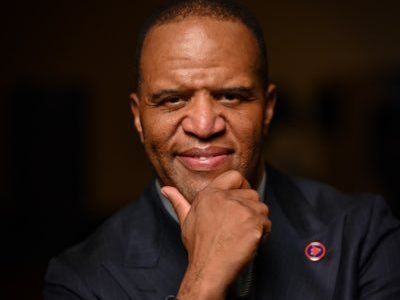
John Hope Bryant, an American entrepreneur, stands tall as a beacon in the financial literacy realm. He has made significant strides not just as a successful businessman but as an advocate for economic empowerment and inclusion. Wearing m ultiple hats, Bryant is the founder, chairman, and CEO of the nonprofit Operation HOPE, an organization dedicated to uplifting underserved communities through financial education. Furthermore, his dedication to creating an inclusive financial system was acknowledged on the national stage when he served as the vice chair on the U.S. President’s Advisory Council on Financial Literacy. So, who exactly is John Hope Bryant? How did a boy raised in Compton and the South Central area of Los Angeles rise to influence financial policies at the highest echelons of power and inspire countless individuals? Here are the 10 principles we're learning from John Hope Bryant, which provide a deeper insight into his philosophy: 1. Embrace Your Roots While he might say "Be nuts!", what Bryant really means is never forget where you come from. His upbringing in Compton and the South Central region of LA instilled resilience and a unique perspective that fuels his initiatives. 2. Determination Over Circumstances "Vow to never be poor" isn't just about financial wealth. Following the 1992 Rodney King riots, Bryant saw a dire need for financial education and empowerment, leading him to establish Operation HOPE, Inc. 3. Self-belief is Paramount "Believe in yourself" isn’t just a catchy hashtag. Bryant's recognition as one of the 237 Young Global Leaders by the World Economic Forum stands as a testament to his unwavering self-belief and his ability to turn vision into reality. 4. Network and Connect "Make friends everywhere" speaks to Bryant's approach to collaboration. His role as vice-chairman of the President’s Council on Financial Literacy under President George W. Bush showcases his belief in forging connections for collective progress. 5. Challenges Foster Growth Understanding that "You can't grow without legitimate suffering" is vital. Despite challenges, Bryant continued his mission under President Barack Obama, emphasizing the importance of financial capability at a national level. 6. Visionary Leadership To "Redefine success", Bryant took charge as the chairman of the Subcommittee on the Underserved and Community Empowerment. His leadership shines in initiatives targeting marginalized communities. 7. Trust in Your Potential With a nod to "Have confidence", Bryant was lauded as “One of America’s 50 Most Promising Leaders of the Future” by Time Magazine in 1994. He exemplifies that confidence coupled with action can create impactful change. 8. Generosity is Golden Through "Give", Bryant has made history. His recognition as the first African-American to be knighted by German nobility emphasizes the importance of generosity and the far-reaching impact of goodwill. 9. Lift Others As You Rise True to the principle of "Empower people", Bryant's Crystal Heart Award from the University of Southern California School of Social Work celebrates his relentless efforts in community service and empowerment. 10. Humility in Achievements Lastly, "Don't take yourself too seriously" is a reminder that even amidst accolades, like being named to The Root's 2011 100 List of Influencers and Iconoclasts, one should remain grounded. In conclusion, John Hope Bryant’s principles serve as a guiding light for those striving for financial empowerment, success, and societal change. As you navigate your journey, remember to integrate these principles and keep pushing boundaries.

4 / 4 5 Things We Learned About Building Generational Wealth from Humble Lukanga When it comes to generational wealth building, few names shine as brightly as Humble Lukanga. A financial guru with an emphasis on personal growth, Lukanga has helped countless individuals make wiser financial decisions. His philosophy is rooted in the idea that money is just a tool – it's how you use it that matters. Here are five key takeaways from his teachings: 1. Start Early and Be Consistent One of Lukanga’s core principles is the power of time. He stresses the importance of starting early, even if it's with a small amount, and consistently investing over time. Compound interest, often dubbed the "eighth wonder of the world", can turn modest savings into substantial sums over decades. This long-term vision can set future generations up for financial security. 2. Educate Yourself Continuously Humble believes that financial literacy is not a one-time lesson but a lifelong journey. He encourages everyone to constantly educate themselves on personal finance, investment strategies, and current market trends. By being well-informed, you can make decisions that align with your goals and navigate the ever-changing economic landscape. Additionally, by instilling this value in younger generations, you ensure that the knowledge and wisdom continue to benefit your lineage. 3. Live Below Your Means, Not Within While most financial advisors suggest living within your means, Lukanga pushes for living below. By actively curbing unnecessary expenses and avoiding a lavish lifestyle, especially when you start earning more, you can accelerate your savings rate. This does not mean depriving oneself of joys but making intentional decisions about spending. Over time, the accumulation from these saved resources can lead to substantial wealth. 4. Diversify Your Investments Lukanga often emphasizes the importance of not putting all your eggs in one basket. By diversifying your investments across different assets, industries, and even countries, you reduce the risk of significant losses. A diversified portfolio can weather economic downturns better and ensure steady growth over time. This approach can safeguard the wealth you aim to pass down to the next generation. 5. Wealth is More Than Just Money Perhaps the most profound lesson from Lukanga is the idea that true generational wealth is not just about money. It's also about values, education, and legacy. Teaching your children and grandchildren about responsibility, hard work, integrity, and kindness ensures that the wealth is used wisely and has a positive impact on society. Moreover, by focusing on holistic wealth, families can foster environments where success is not just measured by monetary means but by the overall impact one makes in the world. Humble Lukanga's insights into generational wealth go beyond the traditional confines of financial advice. He brings a fresh perspective that intertwines financial health with personal growth, emphasizing the importance of holistic wealth building. Embracing his teachings can set individuals and families on a path to not just financial success but a richer, more purposeful life.

Wealth, often misconstrued as solely financial abundance, encompasses a broader spectrum of well-being, purpose, and fulfillment. Patrice Washington, an esteemed author, speaker, and financial expert, offers a transformative perspective on wealth in her book "Redefine Wealth for Yourself: How to Stop Chasing Money and Finally Live Your Life's Purpose." Through her insights, Washington teaches us invaluable lessons about wealth that extend beyond monetary gains. Here are five lessons we've learned from her inspiring work: 1. Wealth Is Holistic Washington redefines wealth as a holistic concept that encompasses more than just material riches. True wealth extends to emotional well-being, fulfilling relationships, mental clarity, and living in alignment with one's purpose. By acknowledging this broader definition, we can pursue a more balanced and meaningful life. 2. Live with Purpose Central to Washington's message is the importance of living with purpose. Aligning our actions, choices, and goals with our true purpose brings a profound sense of fulfillment that cannot be solely derived from financial gains. Discovering and embracing our life's purpose is a cornerstone of genuine wealth. 3. Mindset Matters Our mindset significantly influences our relationship with wealth. Washington emphasizes cultivating a positive and abundant mindset that attracts opportunities and fosters gratitude. Shifting from a scarcity mindset to one of abundance allows us to recognize and appreciate the wealth we already possess. 4. Simplify and Prioritize In a world often driven by materialism, Washington encourages us to simplify our lives and prioritize what truly matters. Focusing on experiences, relationships, and personal growth over accumulating possessions allows us to enjoy a wealth of meaningful moments that enrich our lives. 5. Financial Literacy Empowers While wealth extends beyond finances, Washington acknowledges the importance of financial literacy. Understanding money management, budgeting, and investing empowers individuals to make informed decisions that support their overall well-being. Financial literacy becomes a tool for achieving both financial security and life satisfaction. Patrice Washington's book, "Redefine Wealth for Yourself," offers a paradigm shift in our understanding of wealth. By embracing a holistic definition that includes purpose, mindset, and personal growth, we can lead lives rich in meaning and fulfillment. Washington's wisdom teaches us that true wealth is found not only in our bank accounts but also in the way we cultivate happiness, purpose, and connection. Through these lessons, we can navigate our journeys with a deeper sense of purpose and create a life that is truly abundant in every sense.